


Gabes, Tunisia – It takes about Quarter-hour for the primary police officer to flip up. No motive is given.
The frustration on Lakhdar Mahmoud’s face is unmistakable. The earlier, artisan fisher had been up since 3am to doc the encroachment of glowing industrial fishing boats on waters earmarked for exiguous fishing boats from attain Gabes in southern Tunisia, with none response.
No police officer grew to vary into out for that. It took seeing him speaking to a journalist to instructed an respectable response.
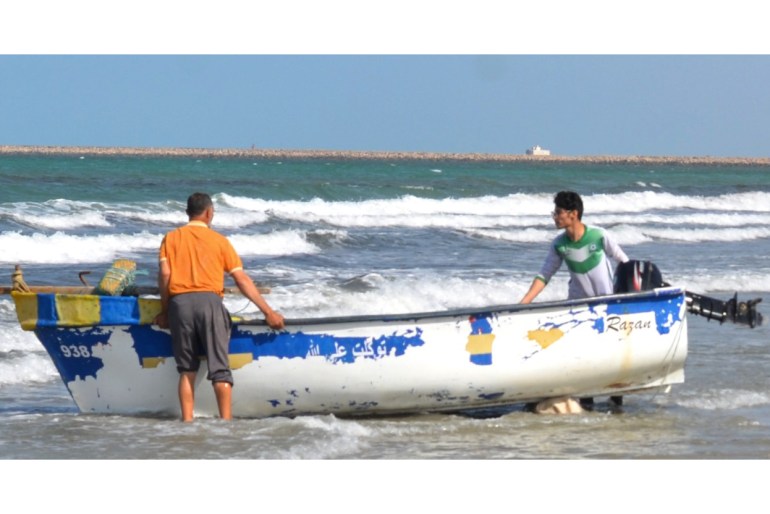
IDs are checked. Conversations proceed on the lengthy, desolate sea stroll exterior the exiguous suburb of Ghannouch, the place fishers in exiguous boats had been atmosphere stroll for as long as someone proper right here may even be aware.
For hundreds of years, exiguous wooden boats had been heading out from Ghannouch into the Gulf of Gabes to score no matter fish they are going to. Now, the waters throughout the Gulf are mentioned to be amongst essentially the most toxic throughout the Mediterranean, outstripping these of Gaza, Syria and Libya.
Elevated competitors for demise fish
Air air pollution from the 22 hulking industrial vegetation, left unchecked for a very long time, has destroyed the ocean and rendered the land toxic. Research cited by the World Enormous Fund for Nature (WWF) impress decreases in fish sources and a corresponding loss in marine biodiversity throughout the Gulf consequently of the air pollution.
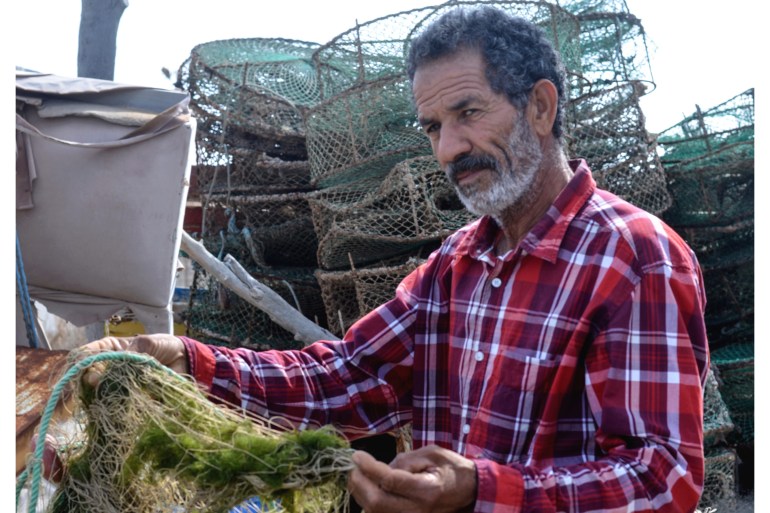
Seagrass, or Posidonia, the cornerstone for a methods of the ocean life at some stage throughout the Mediterranean, has been all however destroyed.
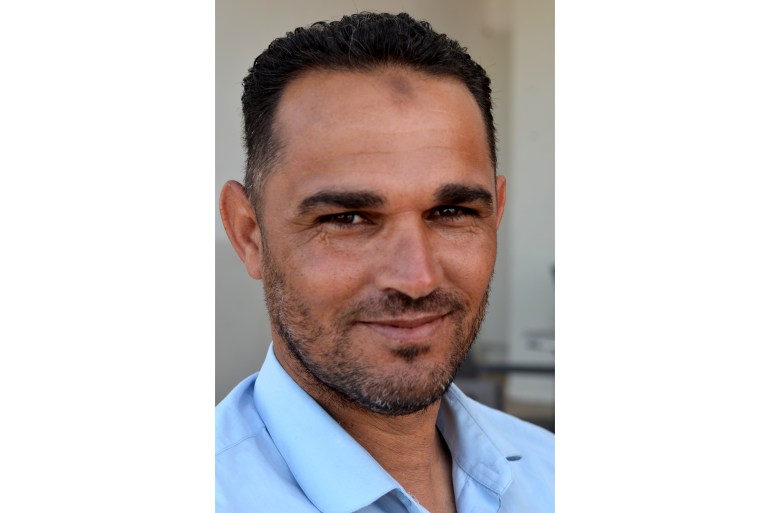
“There should no longer any fish anymore, it’s all insensible,” Sassi Alaya, but each different artisan fisher, says in damaged English. He components to the clouds of brown and crimson mud that roil and roll beneath the crashing waves.
“Glimpse,” he says, “The air pollution. That you could possibly presumably witness it.”
Lakhdar picks up on the theme, asserting that greater than an hour throughout the noxious water is ample to execute most cancers.
The louage, or shared taxi, route from the central metropolis of Sfax to the plastic-strewn wastes spherical Gabes tells a legend of its personal.
Hugging the shoreline of the Gulf, the acrid scent of burning refuse time and again fills the cab, vying with the stench of chemical substances and phosphate to current some indication of what on a regular basis life must be fancy for the house’s inhabitants as industrialisation and poverty conspire to abolish them by incremental levels.
A 2018 discover by the European Fee, essentially the most most up to date accessible, confirmed that 95 p.c of the air air pollution in Gabes may even be traced serve to the disclose-owned Tunisian Chemical Neighborhood. These pollution embody elegant particles, sulfur oxide, ammonia and fluoride, all of which had been confirmed to have reveal penalties for human appropriately being.
Based totally on native scientists, air pollution from the shut by industrial zone, allied to local weather commerce, has resulted in about 3km (on the enviornment of two miles) of shoreline the place nothing lives or grows, so toxic that cancers, premature births and bronchial issues are mentioned to be irregular.
Quickly, the police are serve and in greater numbers. Kinds is checked once more, radio calls to unknown places of work are made and a dialogue ensues on what type of footage is and is no longer accredited beneath the phrases of a Tunisian press go.
Away from the crackle of radios, Sassi and Lakhdar insist the translator they don’t understand how lengthy their exiguous earlier fishing boats and system of fishing will dwell financially viable in Gabes. The pressures upon them are already intense.
Allied to environmental pressures are the large trawlers who poach with obvious impunity in waters earmarked for exiguous fishers, and the rising charge of residing system that, whereas the charge of each journey rises, the monetary return their score brings stays mounted.
Ignoring Gabes
There’s a pair of trigger for hope. Throughout the wastes of the gulf, native artisan fishers, very similar to Sassi and Lakhdar have constructed an artificial reef from palm leaves.
Regardless of the exiguous dimension (1sq km or 0.6sq miles) of this mission, Mehdi Aissi, a marine programme supervisor with the WWF who partnered with the net web page’s fishers on it, mentioned early outcomes have been sure. “Cuttlefish have been serve throughout the net web page after an extended size of disappearance,” he mentioned.
Nonetheless, a elegant quantity of labor stays.
“Round 22,000 cubic metres [5.8 million gallons] of polluted water are ejected into the Gulf every day,” marine biologist Mohammed Salah informed Al Jazeera. Not handiest is that water loaded with phosphogypsum – crash from the execute of fertilisers – that destroys marine life, starves the ocean of oxygen and outcomes in algae blooms nevertheless it undoubtedly might even be loaded with heavy metals and toxins that endanger human life and execute marine habitat.
“That’s a elegant stage of discharge, nevertheless it undoubtedly’s additionally drawing water from a really unprecedented aquifer during a size of nationwide drought,” Salah mentioned.
It didn’t have to be this manner. The persistent have an effect on of Gabes’s industrial zone has been identified as a result of it was established throughout the Seventies. Successive governments promised to take movement, however none have.
The closest the authorities got here was at some stage throughout the early years of the revolution when each factor seemed likely. A time, Salah described, when worldwide funds have been made accessible to have the entire industrial zone moved inland and reconstructed with up to date supplies.
However, the impetus for what would had been a landmark mission, fancy so nice else in Tunisia’s post-innovative historical past, was left to fizzle to nothing.
“The initiative was misplaced in check tales, forms and social initiatives to execute the lives of of us at some stage throughout the net web page greater, in house of take away the trigger for his or her ailing appropriately being,” Salah mentioned.
‘I factual fancy the ocean’
Nobody can argue that Gabes exists in isolation. Any endeavor to both dredge the ocean mattress free from the layers upon layers of phosphogypsum that coat its floor or relocate the economic zone itself would method at an ogle-watering charge for a rustic struggling for monetary survival.
A means bailout from the Worldwide Monetary Fund stays an ever-a ways-off probability, whereas the prerequisites for a methods of cease to a billion euros ($1.1m) in serve mooted by the European Union dwell perilous. Within the size in-between, disclose-subsidised meals are in rapid current, whereas costs rise and incomes shrink. Looming over all is the possibility of a default on Tunisia’s worldwide loans, which led to the score company, Fitch, downgrading the nation to CCC- in early June, judging the chances of a default as extreme.
The funding wished to ameliorate the a very long time of spoil carried out to the Gulf factual isn’t a precedence for a authorities fighting for survival.

All the best way through the nation, unemployment, an ingrained supply of social unrest, sits at spherical 16 p.c. In Gabes, that determine will increase to 25 p.c. Each job counts and the desolation that would presumably be left throughout the wake of any try to relocate the economic property would herald a disaster of an equal, if basically diversified, magnitude.
The police are serve on the ocean stroll, satirically serving to form the legend they offer the impression of being to be making an attempt to suppress. Now seems as fantastic a time as any to cut back our losses and retreat.
Sat in a restaurant shut by, Sassi remembers his determination to give up a a success occupation in industrial to enroll in his father in fishing off Gabes.
“I factual need to fish,” he says. “It’s a passion that’s inherited.”
He sighs, pausing for a second to score the true phrases in English, “I factual fancy the ocean.”

